Latex in bedding is prized for its combination of resilience, support, and comfort, making it a popular choice for mattresses and pillows alike. Natural latex offers contouring without excessive sinking, supporting spinal alignment while maintaining buoyant pressure relief. This material is often derived from rubber trees and can be produced with varying hardness levels to suit different sleep preferences.
In the context of pillows, latex contributes consistent support and breathability, helping to regulate temperature through airflow channels and open-cell structures. The material is typically hypoallergenic and resistant to dust mites, making it a suitable option for sensitive sleepers. Understanding pillow firmness, loft, and fill weight aids in selecting an appropriate latex pillow for neck and shoulder comfort.
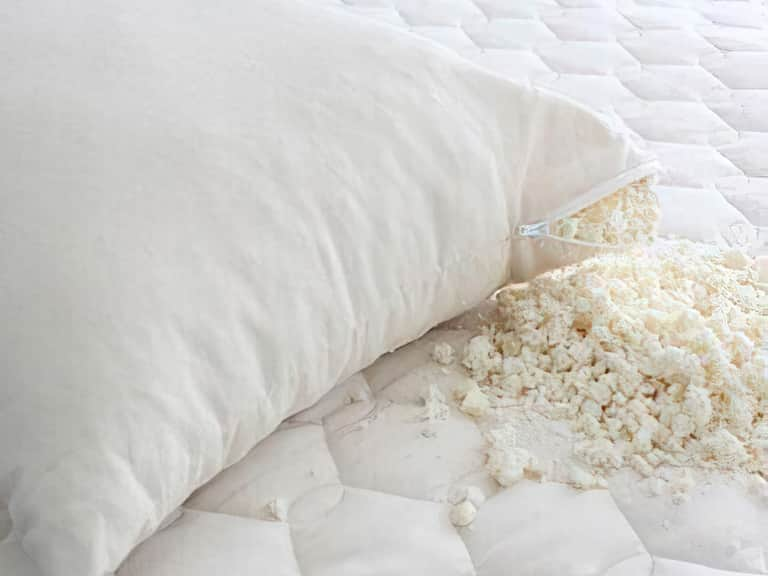
The Savvy Rest Shredded Latex Pillow exemplifies a versatile form of latex bedding, featuring a customizable fill that allows users to adjust height and firmness. Shredded latex behaves differently from a solid slab, enabling easier micro-adjustments to support for various sleep positions. This adaptiveness can enhance overall neck support and sleeping posture.
For sheets and bedding, latex-alternative or latex-blend components contribute to a cooler sleeping surface and improved humidity management, especially when paired with breathable fabrics like cotton or linen. The breathable nature of latex helps maintain a comfortable microclimate across seasons, reducing nocturnal heat buildup while preserving comfort.
In broader bedding considerations, latex products emphasize durability and long-term performance, often maintaining shape and resilience after years of use. When evaluating latex-based options, pay attention to a product’s density, latex type (talalay or dunlop), and any certifications related to sustainability and indoor air quality to ensure alignment with bedding and pillow needs.
 Bedding