Sofas provide a central place for sitting, conversation, and relaxation in living rooms and shared spaces. Their size, seat depth, cushion support, upholstery, and frame construction influence comfort and how well a design suits everyday routines. Considering these characteristics helps distinguish a sofa from bedroom essentials such as bedding, pillows, and sheets.
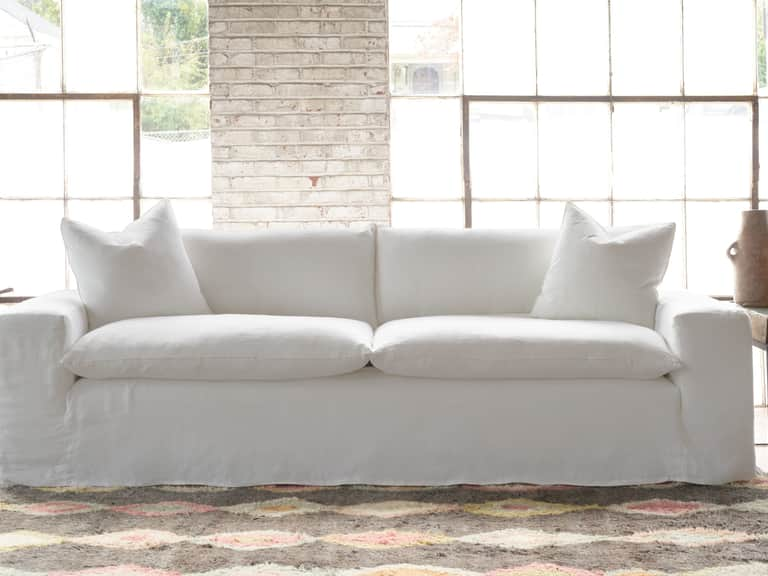
The Cisco Home Austin Sofa is a named seating option for households evaluating comfort and fit. Its sofa form provides a dedicated place to sit, while upholstery and cushion details are important features to compare for appearance, support, and maintenance. These practical considerations help determine suitability for daily use and a room’s layout.
The Cisco Home Asher Sofa is another option to assess by its proportions, seating support, and upholstery characteristics. A sofa’s cushions affect how it feels during extended sitting, while its overall dimensions influence circulation and placement. These functional features matter when selecting living-room furniture alongside sleep products such as organic mattresses.
When comparing sofas, consider the number of seats, available room width, cushion firmness, and the care needs of the upholstery. Frame stability and cushion construction can affect everyday usability, while fabric texture contributes to the room’s overall feel. Memory foam pillows are designed for sleep support, serving a different purpose from sofa cushions.
Understanding the distinction between seating and bedding helps clarify how each category supports home comfort. Sofas accommodate conversation, reading, and relaxation in shared areas; pillows, sheets, and organic mattresses are associated with rest in the bedroom. Reviewing dimensions, materials, and intended use provides a practical basis for comparing sofa models.
 Furniture